
Peripheral Artery Disease (PAD)
What you need to know about peripheral artery disease.
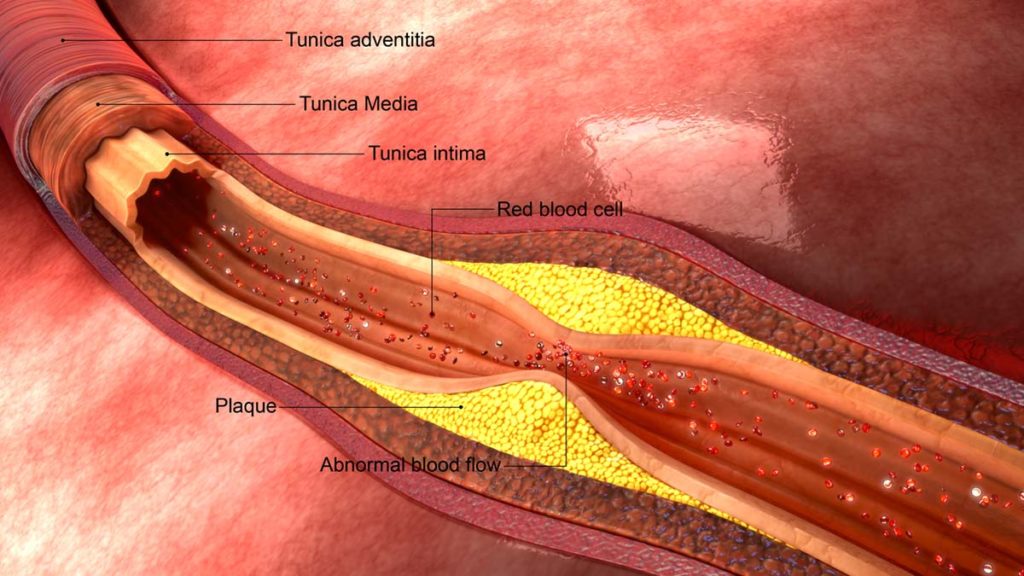
WHAT IS PERIPHERAL ARTERY DISEASE (PAD)?
Important to note is that many people mistake the symptoms of PAD for something else, such as neurogenic pain from back issues. Additionally, PAD often goes undiagnosed by healthcare professionals without specific expertise in vascular conditions, which is a big problem. If PAD is left untreated it can lead to gangrene or even amputation.
CAUSES AND RISK FACTORS FOR PAD
Atherosclerosis can affect arteries throughout your body. However, when the condition occurs in the arteries that send blood to the limbs, especially the legs, it is referred to as peripheral artery disease.
Now let’s look at some of the risk factors, keeping in mind that proper management of risk factors can go a long way towards slowing the progression of PAD.
Risk factors that can lead to the development of PAD include:
- Tobacco or nicotine use, and smoking in particular
- Diabetes
- High blood pressure
- Family history of PAD, heart disease, or stroke
- Being 50+ years of age
- High cholesterol
- High triglycerides
- Being overweight (obesity)
- Kidney failure
SYMPTOMS OF PAD
Symptoms that patients with peripheral arterial disease may experience include:
- Claudication — pain in the calf or calves when walking that goes away when you stop. This can also occur in the hips and buttocks.
- Rest pain — intense pain on top of the foot when lying down that gets better or goes away when you hang your foot over the edge of the bed or stand up.
- Ischemia and gangrene.
- Non-healing wounds/sores, usually on the foot and toes and sometimes the leg.
- Coldness in the lower leg or your foot relative to your other leg or foot.
- Discoloration of the legs or feet.
- Hair loss or a decrease in hair growth on your legs and feet.
- Toenails grow slowly.
- Shiny skin on the legs.
- A weak pulse or no pulse in the legs and/or feet.
- Male impotency — erectile dysfunction.
PAD TREATMENT OPTIONS
In the meantime, treatment options for PAD include:
Prescription Medication: Dr. Tahara may prescribe specific medications to lower your cholesterol, help you manage high blood pressure, or improve circulation. Certain anti-platelet or anticoagulant medications may be prescribed. If you are diabetic, it is also possible that you will be prescribed medications to help regulate your blood sugar levels.
Structured Walking Program: Dr. Tahara may recommend this to help the body develop collateral blood flow throughout the leg and to relieve symptoms.
Angioplasty / Stents: Balloon Angioplasty and vascular stents are less invasive than surgical options and are appropriate for many patients. With angioplasty, arterial blockages are stretched open with tiny balloons that are introduced via catheter. The balloons are inflated at the site of the blockage which widens the artery and improves blood flow. After angioplasty, a webbed expansion device called a stent may be placed at the site. Stenting maintains the blood flow and helps to reduce recurrent blockages and narrowing after an angioplasty procedure is performed.
Bypass Surgery: Arterial surgery may be needed to remove or bypass your arterial disease. Dr. Tahara is a highly experienced surgeon that uses safe and effective surgical techniques. Arterial blockage in the abdomen or legs often requires bypass surgery. While a native vein graft is preferred, bovine or synthetic grafting may be used at the location of the diseased artery, allowing normal function with optimal blood flow.
Clot Removal / Destruction: There are times when blood clots totally obstruct the blood flow. In these instances, a catheter can be inserted into the artery and medications applied directly to the clot in order to safely dissolve it. Alternatively, the blood clot can be removed. Upon evaluation, Dr. Tahara can explain the methods to be used in more detail. Either way, the goal is limb preservation and the restoration of normal blood flow.
PAD PREVENTION & HEALTH MANAGEMENT
Dr. Tahara recommends the following techniques, strategies and lifestyle choices to aid in peripheral artery disease prevention:
- If you are a smoker, you MUST stop smoking now.
- Control or prevent your diabetes.
- If you are obese, get on a formal weight loss plan as prescribed by Dr. Tahara. This is usually a diet low in carbohydrates.
- Stick to a formal exercise program that is approved by your doctor. Regular exercise is critical to PAD prevention!
- Take care to manage you blood pressure, cholesterol, and glucose levels in accordance with your doctor’s recommendations.
ALL THINGS VASCULAR
Don't take risks. Get evaluated now.
CALL US at 814-368-8490 to schedule a comprehensive vascular evaluation with at AVV.