
Ischemia
Learn about ischemia, as well as its causes and risk factors.
WHAT IS ISCHEMIA?
Ischemia is a very serious condition characterized by insufficient blood flow and oxygen to some part of the body. The condition can manifest anywhere blood flows; the brain, heart, intestines, or limbs.
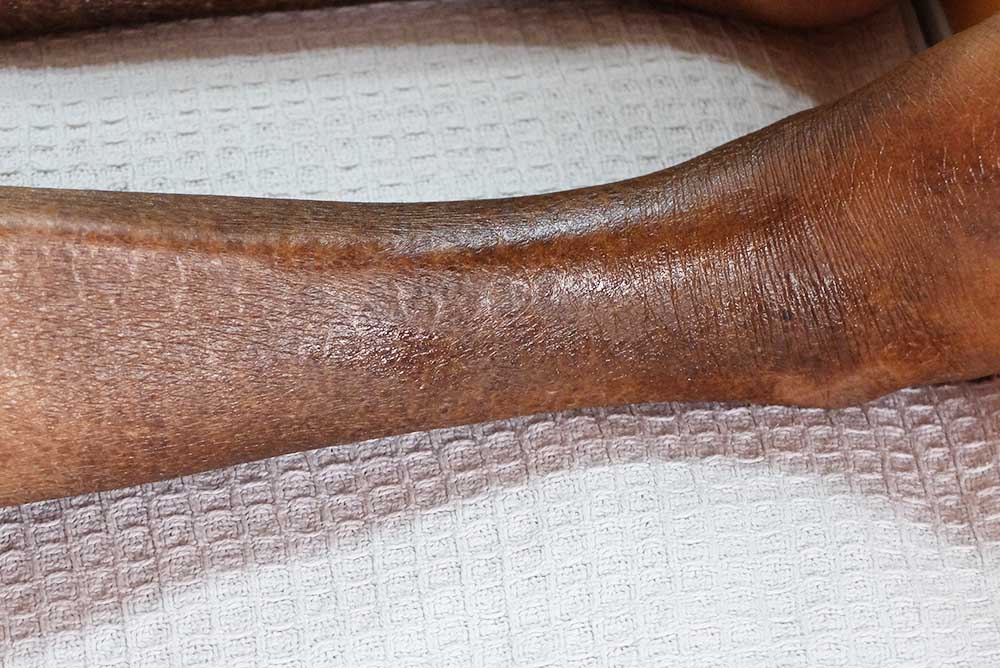
Some forms of advanced ischemia, such as Critical Limb Ischemia (CLI), can progress to a point where considerable pain or tissue damage is experienced. Ulcers and sores are often present with CLI, due to the markedly reduced blood flow to hands, legs, and feet.
ISCHEMIA CAUSES AND RISK FACTORS
The cause for ischemia is arterial narrowing or blockage. This dangerous condition is capable of causing severe tissue damage and can lead to gangrene, ulcers, or even amputation. Because ischemia will not get better on its own there is an urgent need for immediate medical attention. Getting evaluated and treated by a vascular specialist or vascular surgeon could mean the difference between losing one or more of your limbs, or even your life.
There are a number of risk factors for ischemia, including:
- If you are a smoker
- If you have diabetes
- If you have a family history of vascular disease
- If you are overweight or obese
- Men over 60 and women post-menopause are at greater risk
- If you have high blood pressure or high cholesterol
SYMPTOMS OF ISCHEMIA
The symptoms of ischemia will vary based on the location of blood flow interruption. Claudication (aching pain, cramping, or burning in the muscles when physically active) is commonly experienced in the early stages of ischemia. However, as blood flow to the affected area(s) diminishes over time the the pain often becomes more severe and frequent. The more severe the ischemic condition, the more likely the danger of tissue damage. Patients with advanced ischemia may experience non-healing sores, gangrene, and skin darkening or discoloration.
Common symptoms associated with ischemia include:
- Intermittent claudication pain
- Intermittent or recurring ‘rest pain’ in the limbs while sedentary
- Lower legs or feet seem colder than the rest of your body
- Leg weakness or numbness
- Sores on the toes and feet, or infections
- Ulcers that do not heal normally, or at all
- Shiny, smooth, and/or dry skin on your legs and feet
- Diminished pulse in the legs and feet
- Abnormally thick toenails
If you begin to experience any of the symptoms above, DO NOT WAIT to be evaluated by a vascular surgeon or vascular specialist! Ischemic conditions require immediate medical attention.
DIAGNOSING ISCHEMIA
- Full vascular evaluation by a vascular surgeon
- Multi-level physiological exam with an Ankle Brachial Index (ABI), which tests the blood pressures in the legs
- Duplex Ultrasound
- Arteriogram, which is an x-ray of the arteries while dye is injected into the blood vessels
- MRA and CTA
TREATING ISCHEMIA
- Medications
- Exercise
- Endovascular treatments
- Arterial Surgeries
- Amputation
ALL THINGS VASCULAR
Copyright © 2022 - Allegheny Vein & Vascular. All rights reserved.