Stroke
Learn about stroke - the risk factors, symptoms, and more.
WHAT IS A STROKE?
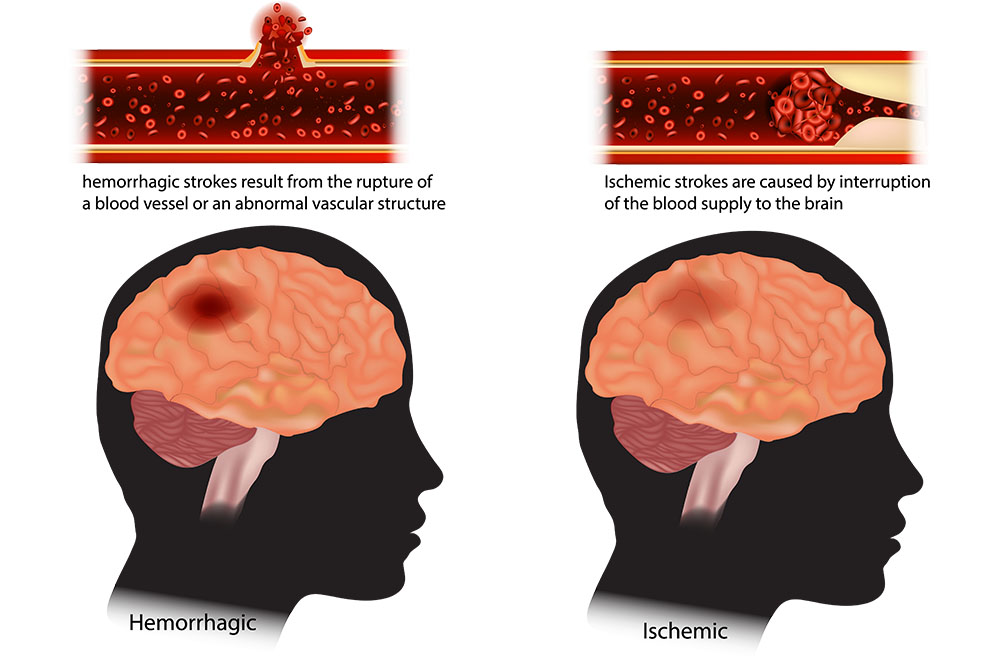
There are two main types of strokes (and both can have similar causes):
- ISCHEMIC STROKE – this type of stroke occurs when blood vessels are blocked. Accounts for about 85% of all strokes. Typical causes for ischemic strike include hypertension, small clots that form as a result of abnormal heart rhythm, and atherosclerosis.
- HEMORRHAGIC STROKE – this type of stroke occurs when blood vessels rupture. Accounts for about 15% of all strokes. Typical causes for hemorrhagic stroke include head and brain injuries, very high blood pressure, congenital brain aneurysms, and atherosclerosis.
While not a full-blown stroke, there is a similar condition known as a transient ischemic attack (TIA). Often referred to as a “mini-stroke”, a TIA tends to produce symptoms that last for a brief few seconds or minutes. Because having a TIA could indicate that there is a risk of future stroke, getting properly evaluated by a vascular surgeon or specialist needs to happen immediately following TIA.
RISK FACTORS FOR STROKE
- Smoking
- Diabetes
- Advanced age
- High blood pressure and/or high cholesterol
- Poor diet and/or lack of exercise
- Atrial fibrillation — i.e., irregular heart rhythm
- If you have been diagnosed with, or have a family history of atherosclerosis, peripheral artery disease (PAD), or heart disease
- Studies indicate that African-Americans and Hispanics may also be at greater risk for stroke
SYMPTOMS OF STROKE
- Numbness, weakness, or paralysis in the arm, leg, or face (usually on one side only)
- Trouble walking or maintaining balance
- Difficulty speaking or slurred speech
- Difficulty seeing in one or both eyes
- Sudden, severe headache pain
- Dizziness and vertigo
- Problems comprehending when others speak
DIAGNOSING STROKE
Methods used at AVV to diagnose your condition after a stroke include:
- Physical & Neurological Examination
- MRI or CT Scan
- Ultrasound
- CT angiography
- MR angiogram
STROKE TREATMENT AND PREVENTION
Strokes may be treated in the following ways:
- Medications
- Rehabilitation
- Surgical vessel repair
- Minimally-invasive endovascular procedures
Prevention of stroke is possible but it requires diligence. First, you should see your doctor frequently to check blood pressure and evaluate your prescription medications. You should also formulate a plan with your doctor to help prevent strokes in the future. This will include beneficial lifestyle changes such as smoking cessation, dietary changes, exercise, and in some cases a weight loss plan. Your doctor may also recommend certain types of diagnostic testing more frequently, such as echocardiograms or an ultrasound of the carotid arteries.