Deep Vein Thrombosis (DVT)
What you need to know about Deep Vein Thrombosis (DVT).
WHAT IS DEEP VEIN THROMBOSIS (DVT)?
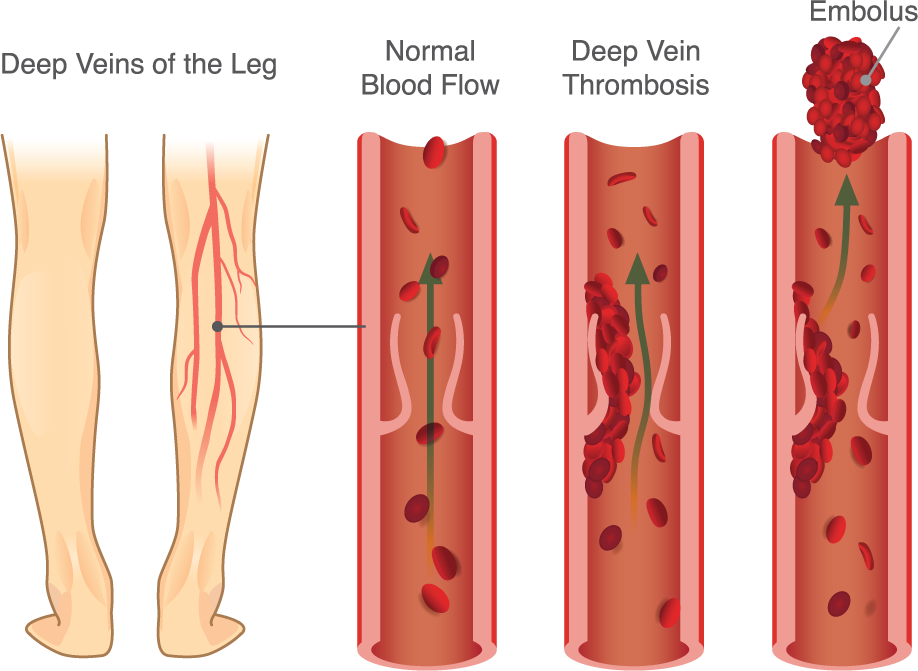
Deep vein thrombosis is a very dangerous condition that requires immediate treatment from a vascular surgeon or specialist like Dr. Tahara. When blood clots within deep veins become dislodged they will move through the bloodstream until they get caught somewhere else. If a blood clot from a DVT were to break loose and travel to the lungs, for example, the result could be restricted blood flow and even pulmonary embolism. DVTs not only lead to serious health problems, but they can indeed be fatal.
CAUSES FOR DEEP VEIN THROMBOSIS (DVT)
As many as 900,000 Americans experience blood clots every year, and about half of all blood clots occur during or within 3 months of surgery or a hospital stay. However, about 50% of DVT cases are asymptomatic, meaning that none of the commonly associated symptoms are experienced.
SYMPTOMS OF DEEP VEIN THROMBOSIS
- Swelling and/or pain in the leg or affected area, which may come without warning
- Pain and soreness when you walk
- Area around the DVT feels warm to the touch
- Reddish, blueish or white skin discoloration on the affected limb
Additional symptoms may be present if the blood clot breaks free, lodging in the lungs and/or heart as a pulmonary embolism (PE):
- Shortness of breath
- Chest pains when taking deep breaths
- Increased heart rate
- Coughing up blood from the lungs
DEEP VEIN THROMBOSIS: RISK FACTORS
- Being a smoker greatly increases risk
- Having May Thurner Sydrome
- A genetic predisposition or family history of developing blood clots
- Having cancer or receiving chemotherapy treatments
- Restricted blood flow from trauma, a previous surgery, or long periods of inactivity such as in bed rest
- Being pregnant increases pressure in the veins, and the risk is higher for developing clots even up to 6 weeks following pregnancy
- Individuals over the age of 40 are at higher risk for DVT
- Obesity/overweight
- Birth control pills, hormone therapy, and treatments for postmenopausal symptoms increase risk
- Central venous catheter (CVC) or pacemaker placement may increase risk
DIAGNOSING DEEP VEIN THROMBOSIS
The gold standard for the confirmation of clot location and size is duplex ultrasound, which is used here at Allegheny Vein & Vascular.
TREATING DEEP VEIN THROMBOSIS
Depending on severity, deep vein thrombosis may be treated in the following ways:
- Anticoagulants prevent propagation of the clot and may be prescribed for as long as 6 months.
- Thrombolytic medications may be used to dissolve large, fresh clots (no more than 2 weeks old). Not preferred due to increased risk of sudden bleeding.
- Compression stockings or wraps are used to assist with blood flow out of the limbs, and to reduce swelling.
- An inferior vena cava (IVC) filter is used in certain limited circumstances. This cone-shaped device can be used to catch blood clots before they migrate to the lungs or heart. At Allegheny Vein & Vascular we employ retrievable IVC filters that can be removed up to 6 weeks after placement. This eliminates the potential problems associated with most permanent IVC filters.