
Lymphedema
What you need to know about Lymphedema.
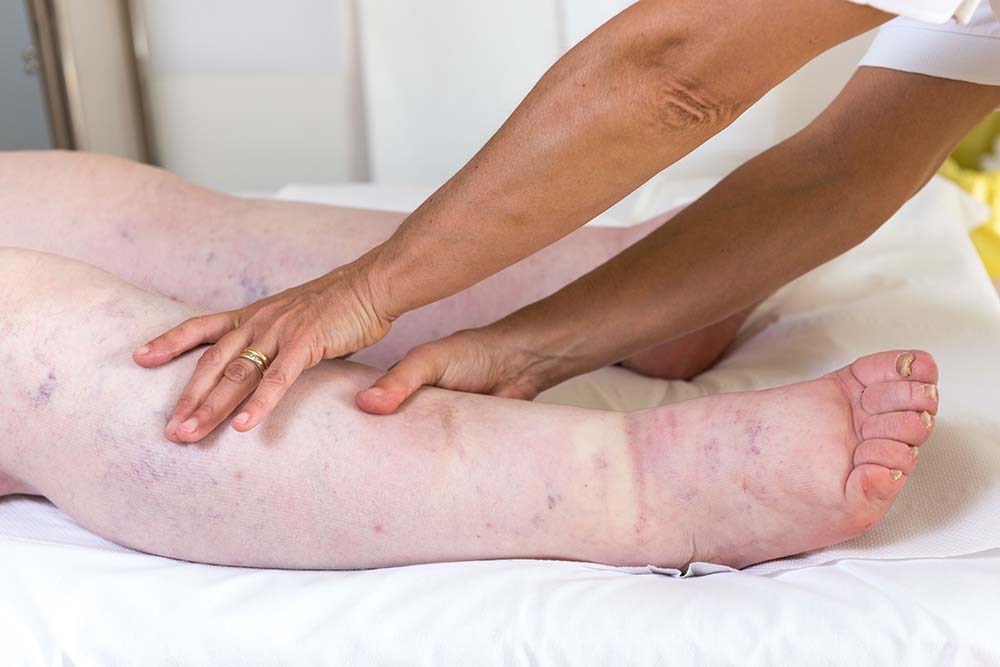
THE LYMPHATIC SYSTEM AND LYMPHEDEMA
The lymphatic system primarily consists of lymphatic vessels, which are similar to the veins and capillaries of the circulatory system. The vessels are connected to lymph nodes, where the lymph is filtered. The tonsils, adenoids, spleen and thymus are all part of the lymphatic system.
Lymphedema is a condition where lymph fluid accumulates in the soft tissues, often in the arms or legs. Lymph fluid is filtered by the lymph nodes prior to entering the bloodstream. The lymphatic system is susceptible to blockages. When the lymph nodes become obstructed, lymph fluid does not drain properly and that fluid build up leads to progressive swelling.
There are two kinds of lymphedema:
- PRIMARY LYMPHEDEMA — occurs on its own.
- SECONDARY LYMPHEDEMA — occurs as a result of some other disease or condition.
The lymphatic system — part of the immune system — moves lymph fluid carrying substances harmful to the body through the lymph vessels. When this fluid eventually reaches the lymph nodes, waste products are filtered by infection-fighting cells that live in your lymph nodes called lymphocytes (also known as T-cells and B-cells). Ultimately, germs such as viruses, bacteria, and fungi are flushed from body in this manner.
Secondary lymphedema is far more common than primary, but both involve a disruption within the lymph nodes and/or vessels. While there is no cure for lymphedema at the present time, this condition can be managed with early diagnosis and care of the affected limb(s).
CAUSES FOR LYMPHEDEMA
The cause for secondary lymphedema is usually injury, surgery, or complications from the destruction of lymph nodes or lymph vessels. This type of lymphedema can occur as a direct result of radiation treatments for cancer, the cancer itself, surgical removal of the lymph nodes, or even tropical infection (lymphatic filariasis — elephantiasis). Secondary lymphedema often occurs wherever lymph nodes are surgically removed. It can also develop when the lymphatic system gets overloaded due to chronic skin infection, problems with blood vessels, or being overweight.
SYMPTOMS OF LYMPHEDEMA
- Progressive swelling in the leg or arm, which may include the fingers and toes
- Heaviness or tightness in the affected limb
- Aching or pains
- Infections that recur
- The skin hardens or thickens (fibrosis)
Swelling from lymphedema can range from mild to severe. If swelling is severe there may be range of motion restrictions. Also important to note is that symptoms of lymphedema caused by cancer treatments may not happen for months or even years after treatment is delivered.
RISK FACTORS FOR LYMPHEDEMA
- Advanced age
- Overweight/obesity
- Arthritis (rheumatoid or psoriatic)
- If you have cancer or have had cancer treatments in the past
- Some types of infections
DIAGNOSING LYMPHEDEMA
Imaging tests used to help with diagnosis may include:
- MRI
- CT Scan
- Duplex Ultrasound
- Lymphoscintigraphy
TREATING LYMPHEDEMA
Lymphedema may be treated in the following ways:
- Exercise as prescribed by your doctor
- Wrapping the arms or legs
- Manual lymph drainage
- Pneumatic compression and compression stockings