Understanding weight loss for vascular and overall health.
Why is Weight Loss and Management Important to the Treatment of Your Veins and Arteries?
Obesity is a known risk factor for the development and progression of vascular disease. In the United States, 36.5% of adults are obese. Another 32.5% percent of American adults are overweight. In all, more than two-thirds of adults in the United States are overweight or obese. That’s a lot of people with body weight high enough to seriously impact their vascular health!
What should my Body Mass Index (BMI) be?
Ideally, your BMI should be between 18.5 and 24.9. Using the calculator below, determine your BMI and then match your BMI to the BMI Chart.
BMI CALCULATOR
BMI CHART
Underweight = <18.5
Normal weight = 18.5–24.9
Overweight = 25–29.9
Obesity = BMI of 30 or greater
How weight gain happens
Weight gain creeps up on most of us – particularly as we hit middle age. Changing hormones, metabolism, and decreased activity levels all play a role in the all-too-common slow, steady increase in body fat. From a clinical point of view, we often see patients gain a pound or two – or more! – every visit. Gaining a pound or two doesn’t seem like a lot but as this continues for several years, you seem to have suddenly gained 20, 30, or even 50 pounds without even realizing it!
It’s understandable that people get frustrated when they hear from a doctor that they need to lose weight – most people KNOW they need to lose weight – they just don’t seem to be able to figure out how to do it. They’ve tried dieting and maybe it worked for a while but then the weight came back on – and more than before the weight loss!
How weight gain effects our vascular health
It will come as no surprise that obesity effects our health. Obesity was found to be a major risk factor for the development of type-2 diabetes, asthma, hypertension, stroke, coronary artery disease, cancer and cancer-related mortality, liver and gallbladder diseases, sleep apnea, osteoarthritis, and gynecological complications. Cardiovascular disease has been shown to be elevated in individuals who are overweight, particularly with central deposition of belly fat also called adipose tissues (see article below). Obesity may be associated with hypertension, dyslipidemia, diabetes, or insulin resistance, and elevated levels of fibrinogen and C-reactive protein, all of which increase the risk of CVD events.
Obesity and your Veins
Obesity is a particular risk factor for developing Chronic Venous Insufficiency (CVI) and Deep Vein Thrombosis (DVT). Excess body weight can affect how easily your blood coagulates – or clots. These alterations in coagulation are thought to be relevant not only for arterial but also for venous thrombosis.
Abdominal fat – also called adipose tissue – is thought to be associated with increased intra-abdominal pressure, with pressure transmission to the ileofemoral veins. This pressure on the abdominal veins leads to venous stasis and dilation of the veins in the legs, which can cause venous valve dysfunction and thrombosis.
Location, Location, Location!
Below is a link to “Taking Aim at Belly Fat” a great article from Harvard University describing how saddle bags and belly fat do not have the same impact on our health – our cardiovascular health in particular.
At AVV, Dr. Tahara is committed to helping improve your cardiovascular health and that includes encouraging and helping patients lose weight. In fact, A surprisingly robust portion of his office time is spent on the subjects of weight loss and smoking cessation. We can’t control genetics and the aging process but most of us can control what and how much we eat as well as our activity levels. At AVV, we can provide a framework for weight loss but ultimately the decision and commitment must come from our patients. We’ve seen many great success stories and hope you’ll be one of them!
Methods of Weight Loss
For most people, a long-term weight loss program combines developing healthy eating habits and increasing activity levels. Forming new (good!) habits takes a while but as Dr. Tahara is fond of saying, “weight loss is a marathon not a sprint” so although progress may seem slow, it is best to take your time and do it right! Binge dieting is not the goal here; laying out a path for healthy, long term weight loss and maintenance is!
Food
Dr. Tahara recommends keeping a detailed food journal (including measured amounts) for x amount of time – if you can do this prior to your first visit then you will be that much further ahead! Dr. Tahara generally recommends a lower carbohydrate diet, rich in meats and vegetables. Special consideration may have to be given for certain medical conditions – as always you should consult with your doctor prior to adopting a new diet. Many patients find that going to a certified nutritionist is helpful and in fact, we encourage it!
Exercise
“An early morning walk is a blessing for the whole day.”
– Henry David Thoreau
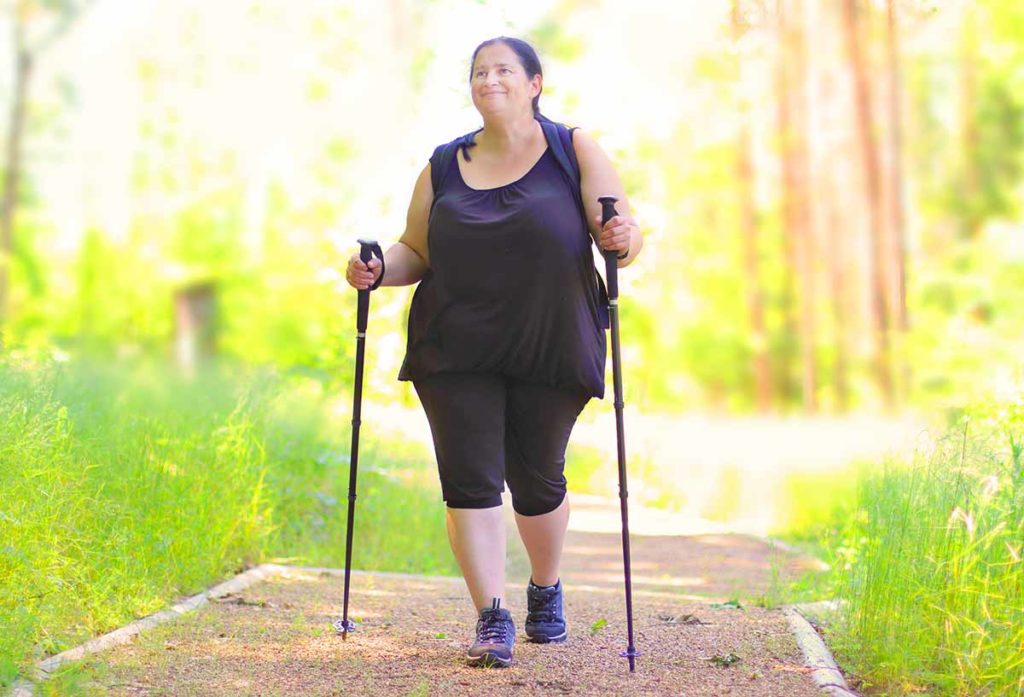
Unless you are non-ambulatory, walking is an excellent and easy way to increase activity levels. It doesn’t require expensive equipment – just a good pair of walking shoes! Snow and ice during the Winter months can be a challenge in our area – many patients like walking in large department stores or join fitness centers during the winter but current times are calling for different solutions. Consider investing in a home treadmill or even a stationary bike. As always, consult with your physician first prior to beginning a new exercise program. Here is the link to our exercise page.
Doing the things you Love
Not only does weight loss through proper eating and exercise improve your overall health but one of the best parts is that it can give you the stamina and strength to continue – or start doing again – the things you love to do.
Dr. Bob Tahara, doing one of the things he loves best -- hiking to stay fit!