
Cellulitis

Cellulitis - learn about causes, symptoms, and treatments.
THE MYTH ABOUT CELLULITIS

Cellulitis is not as common as people think it is.  In fact, up to 90% of patients presenting with a hot red swollen leg are misdiagnosed by medical professionals as having cellulitis when it is actually a flare up of underlying venous disease. This is a problem because it often results in overuse of antibiotics and failure to treat the actual venous disease. However, some people actually do have cellulitis.  This only underscores the critical importance of being evaluated by a trained and experienced vascular professional whenever cellulitis is suspected.

WHAT IS CELLULITIS?

Cellulitis is a skin infection that occurs when bacteria — often streptococcus and staphylococcus — enters the skin through a a crack or break. Cellulitis does not usually spread from person to person, but the condition must be taken seriously nonetheless.

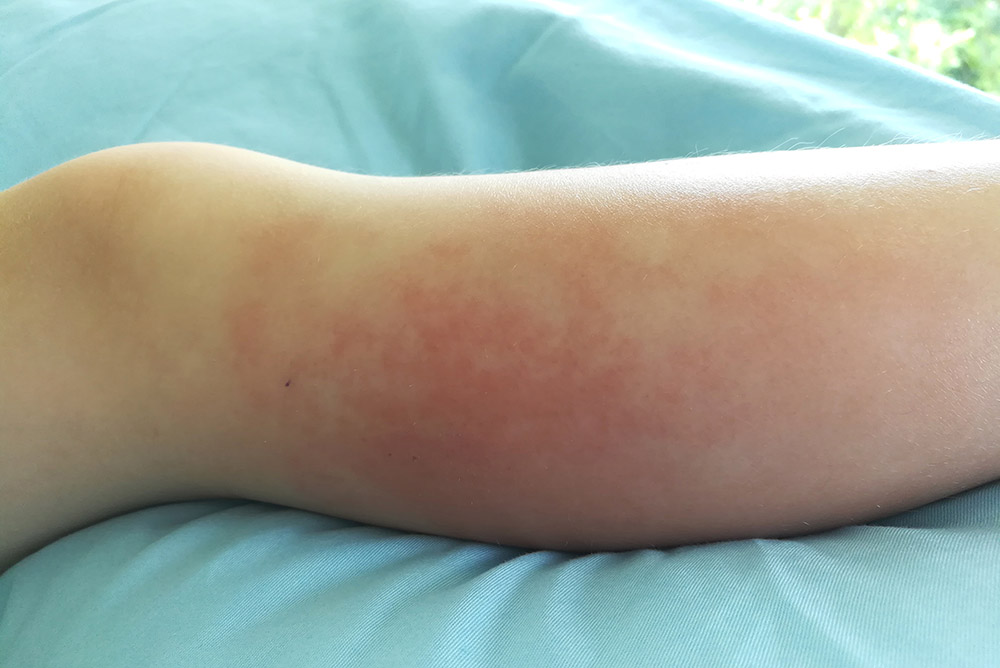
Cellulitis is characterized by skin that appears red and swollen.  The skin is usually warm to the touch and it can be quite painful.  It is most common for cellulitis to affect the skin on the lower legs, but cellulitis may also be present on the face, arms, and other areas of the body. Left untreated, this type of infection can spread from the skin to the lymph nodes and bloodstream.  If it does, cellulitis can quickly become a life-threatening condition requiring immediate treatment.

CELLULITIS SYMPTOMS AND RISK FACTORS

Cellulitis has a number of associated symptoms, which usually occur on one side of the body:

  • Areas of the skin that become red and may expand outward
  • Skin is painful, warm, or tender to the touch
  • Cellulitis may be accompanied by fever
  • Red spots, blisters, or skin dimpling may be present

A number of risk factors are associated with cellulitis:

  • Injuries — cuts, burns, and scrape gives bacteria place to enter.
  • Weakened immune system — conditions like diabetes, leukemia, and HIV/AIDS can leave the body more susceptible to infections. Some medications may also weaken the immune system.
  • Skin conditions — eczema, athlete’s foot, and shingles can all increase risk.
  • Lymphedema — chronic swelling in the extremities can increase risk for cellulitis.
  • Obesity — if you are overweight then your risk of developing cellulitis is higher.

DIAGNOSING CELLULITIS

Dr. Tahara diagnoses cellulitis through direct examination of your skin. In addition to evaluation, he may order blood tests or other tests to assist in ruling out other conditions.

TREATING CELLULITIS

Cellulitis treatment usually involves a prescription antibiotic that can be taken orally. Within three days of starting an antibiotic we should know if the infection is responding properly to treatment. There prescribed antibiotic course is usually between five to ten days but Dr. Tahara may suggest a longer period, depending on the severity of the cellulitis condition. Additionally, he may recommend elevating the affected area to speed your recovery.

Symptoms often begin to diminish quickly and may disappear entirely after a just few days. However, if you do not respond to oral antibiotics within a few days and/or fever persists, it may then be necessary to introduce the antibiotics intravenously.

ALL THINGS VASCULAR

A great place to learn about all things vascular.

Take time to learn about the vascular system and how it functions.

Learn about venous and arterial vascular conditions that affect the body.

Explore treatments & procedures offered through Allegheny Vein & Vascular.

Learn about the examinations and testing protocols vascular patients receive.