
Gangrene

Learn about gangrene - its causes, risk factors, and more.
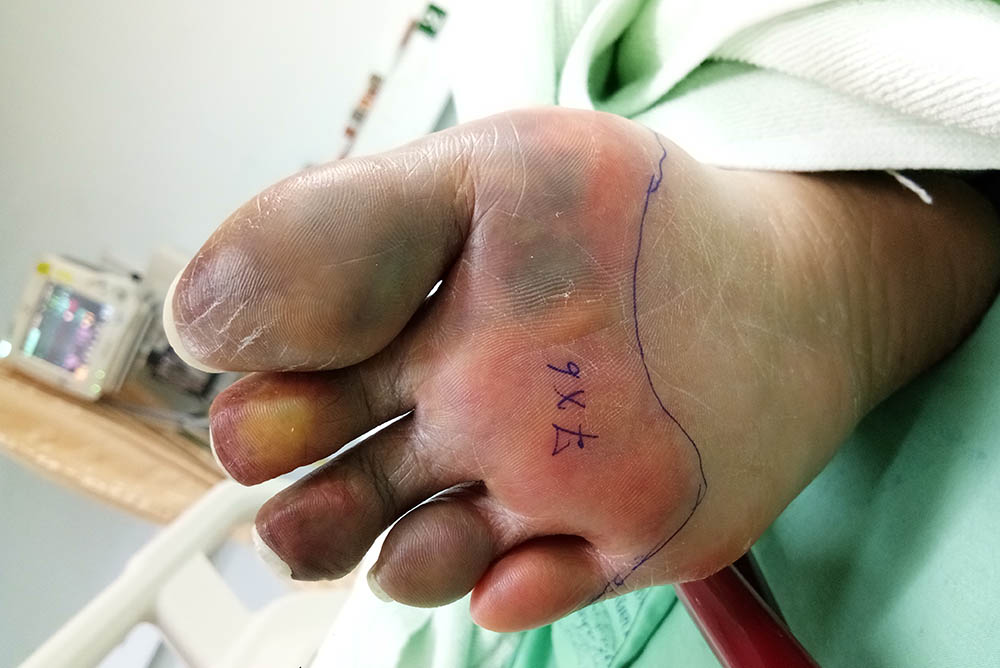
WHAT IS GANGRENE?

Gangrene is a condition where lack of sufficient blood flow, injury, illness, or a serious bacterial infection causes bodily tissues to die. Gangrene frequently affects the extremities, particularly the limbs, fingers, and toes. Gangrene can also manifest in other muscle tissues of the body, as well as the internal organs. There are different types of gangrene, but all of them demand urgent medical care. With early gangrene identification and treatment comes a better prognosis for recovery.

CAUSES AND RISK FACTORS FOR GANGRENE

Gangrene can be caused by a variety of underlying medical conditions. Diabetes and atherosclerosis are often found to be underlying conditions that contribute to the presence of gangrene because they can seriously damage blood vessels and limit blood flow. The type of gangrene usually associated with diabetes and atherosclerosis is called dry gangrene.

Dry gangrene is characterized by dry and shriveled skin. The affected areas can vary in color and usually appear brown, purple, blue, or black. Dry gangrene often develops slowly over a period of time.

There are a number of risk factors for gangrene, including:

  • Smoking
  • Diabetes
  • Arterial narrowing (atherosclerosis)
  • Trauma and injury
  • Obesity/overweight
  • A weak immune system

SYMPTOMS OF GANGRENE

The symptoms of ischemia will vary based on the location of blood flow interruption. Claudication (aching pain, cramping, or burning in the muscles when physically active) is commonly experienced in the early stages of ischemia. However, as blood flow to the affected area(s) diminishes over time the the pain often becomes more severe and frequent. The more severe the ischemic condition, the more likely the danger of tissue damage. Patients with advanced ischemia may experience non-healing sores, gangrene, and skin darkening or discoloration.

Common symptoms associated with gangrene include:

  • Skin discoloration
  • Severe pain or numbness
  • A foul-smelling discharge coming from an open sore
  • Shiny skin that appears thin and the loss of surface hair
  • Skin that feels cool to the touch or even cold from restricted blood flow

If you begin to see or feel any of the symptoms above and suspect that it may be gangrene, DO NOT WAIT to be evaluated by a vascular surgeon or vascular specialist! Any form of gangrene should be treated immediately.

DIAGNOSING GANGRENE

A full vascular evaluation will include checking both pulse points on each foot to assess blood flow to the foot. Dr. Tahara will typically order a duplex ultrasound to pinpoint the exact location and severity of the arterial disease.

Duplex ultrasound is highly accurate when performed by specially trained ultrasound technologists, like the ones we have on staff at Allegheny Vein & Vascular. Our ultrasound techs are specially trained to evaluate the tiny vessels of the foot, as well as the larger arteries in the leg. Dr. Tahara prefers to use duplex ultrasound in his arterial evaluations because doing so has many benefits, including zero radiation exposure, zero contrast, is non-invasive in nature, and has a lower cost to the healthcare system. Some physicians may perform an angiogram, which is also an accepted method of evaluating gangrene.

TREATING GANGRENE

  • Medications
  • Endovascular treatments
  • Arterial Surgeries
  • Amputation

ALL THINGS VASCULAR

A great place to learn about all things vascular.

Take time to learn about the vascular system and how it functions.

Learn about venous and arterial vascular conditions that affect the body.

Explore treatments & procedures offered through Allegheny Vein & Vascular.

Learn about the examinations and testing protocols vascular patients receive.