
POST-THROMBOTIC SYNDROME
What you need to know about post-thrombotic syndrome.
WHAT IS POST-THROMBOTIC SYNDROME?
Post-thrombotic syndrome (PTS) is a long-term condition some patients experience when veins and/or valves are damaged from a deep vein thrombosis (DVT) condition. The veins in our arms and legs have tiny valves inside that prevent the back flow (reflux) of blood. DVTs can cause damage that prevents normal function even though the clot is eliminated.
SYMPTOMS OF POST-THROMBOTIC SYNDROME
More than one out of three people who get a DVT develop post-thrombotic syndrome, though the symptoms may not appear until long after the DVT is gone. Symptoms can range from mild to severe. Because it is common for DVTs to develop in the legs, it is also common for the symptoms of post-thrombotic syndrome to occur in the legs.
Post-thrombotic syndrome symptoms may include:
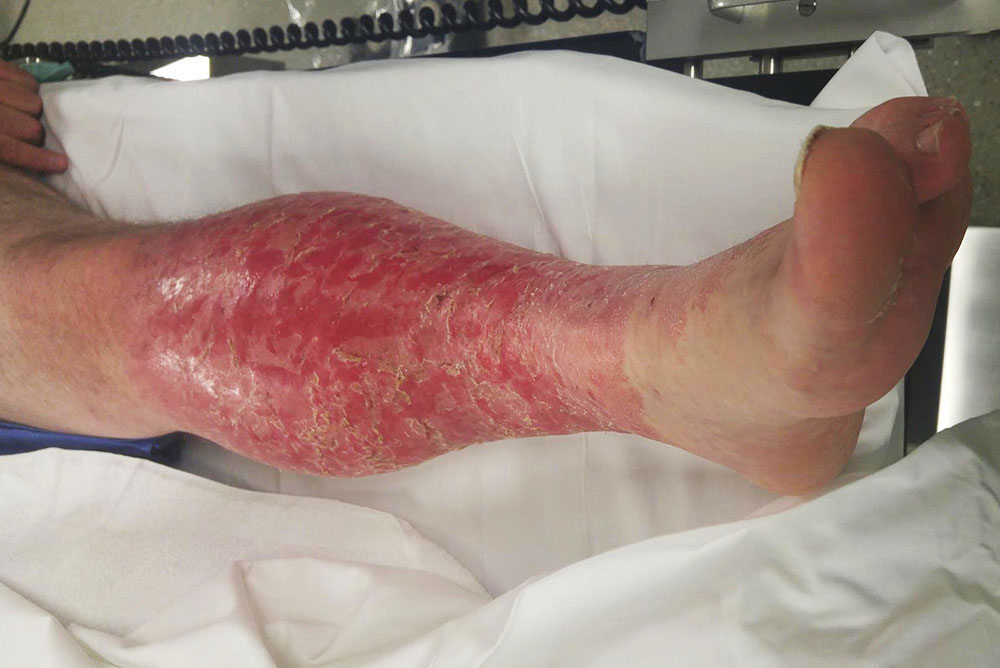
- Redness/discoloration in the legs
- Aching, swelling, or pain that may be chronic and get worse after standing or walking for extended periods of time
- Affects your range of motion
- Heaviness, tingling, itching, of cramping in the legs
- Leg sores and ulcers
COMPLICATIONS FROM POST-THROMBOTIC SYNDROME
The complications some experience from post-thrombotic syndrome frequently develop when prompt treatment is not received or the condition is not managed well. Damage to the veins and valves can mean long-lasting discomfort and restricted range of motion. PTS is a condition that absolutely must be managed properly. If it is not, patients could develop leg ulcers that are difficult to heal, or won’t heal at all. These wounds may become infected and can lead to sepsis in some instances.
DIAGNOSING POST-THROMBOTIC SYNDROME
Diagnosing post-thrombotic syndrome is something that can be done through physical examination. If you have it, it means that you have had a DVT previously and the diagnosis is relatively straightforward. Blood tests and additional imaging are not necessary to determine if you have PTS.
TREATING POST-THROMBOTIC SYNDROME
Treatment options available to you will depend on the severity of the PTS. However, treatment usually involves elevating the affected limb while resting or sleeping to help return blood to the heart via gravity. Also, an exercise regimen will likely be prescribed by your doctor to increase calf strength and the flexibility of your ankles. Compression stockings are also a good option for most patients, as they help to improve blood flow and reduce both swelling and pain symptoms. Finally, you may be prescribed anticoagulants to prevent additional clots from forming inside the affected damaged veins.
ALL THINGS VASCULAR
Copyright © 2022 - Allegheny Vein & Vascular. All rights reserved.