
Visceral Artery Aneurysms
Here we discuss causes, risks, and complications of visceral artery aneurysms.
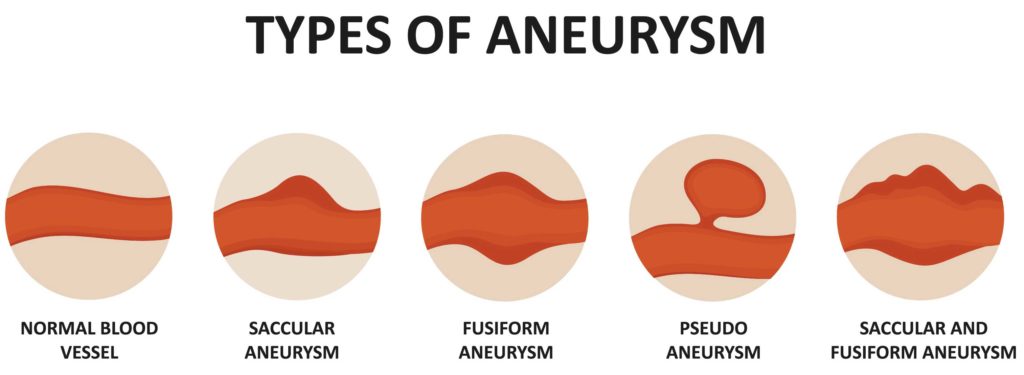
WHAT ARE VISCERAL ARTERY ANEURYSMS?
Aneurysms are essentially enlarged and/or weakened areas occurring along the arteries. A visceral artery aneurysm is a less common type of peripheral aneurysm but can be dangerous nonetheless.
In a visceral artery aneurysm, ballooning occurs in one of the main arteries that supply blood to your spleen, liver, kidneys, or intestines (splenic, renal, hepatic and mesenteric arteries, respectively).
SYMPTOMS, CAUSES & RISK FACTORS
The symptoms experienced will differ depending on which artery or arteries are affected. For example, visceral artery aneurysms occurring in the renal artery could disrupt kidney function and lead to renovascular hypertension. Internal bleeding, a sudden drop in blood pressure, and pain are all potential symptoms that have been reported in cases involving a visceral artery aneurysm. However, there may also be no symptoms.
The specific causes for visceral aneurysm are not 100% clear. However, research indicates that atherosclerosis, connective tissue diseases, trauma, fibromuscular dysplasia and arterial wall degeneration may all contribute to developing this kind of aneurysm. Regardless of cause, there are certainly a host of risk factors that should be considered carefully.
Common risk factors for visceral artery aneurysms:
- Smoking greatly increases risk.
- If you have an established family history of vascular disease.
- Connective tissue disorders can increase risk.
- High blood pressure, high cholesterol, or obesity can all increase risk.
- Age and Gender — the risk increases the older you get. Additionally, fibromuscular dysplasia is a condition that tends to occur more frequently in women and any individuals 25 to 50 years of age.
VISCERAL ANEURYSM COMPLICATIONS & TREATMENTS
Visceral artery aneurysms can lead to serious problems if they increase in size over time. Larger visceral artery aneurysms are at a higher risk to rupture or burst, causing life-threatening internal bleeding and requiring immediate treatment. The good news is that many visceral aneurysms are found as incidental findings on other exams before they rupture. Although visceral artery aneurysms can be potentially dangerous, there are effective treatments. In some instances you can even be treated as an outpatient in an office setting.
ALL THINGS VASCULAR
Copyright © 2022 - Allegheny Vein & Vascular. All rights reserved.