
Skin Grafts

What you need to know about skin grafts.
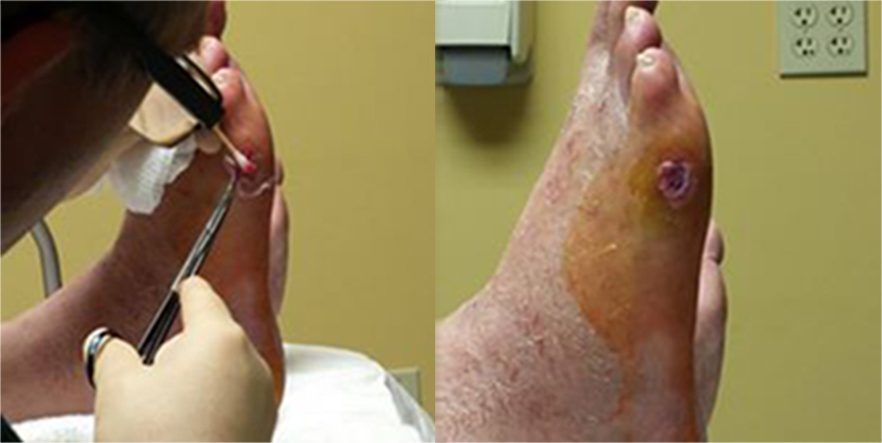
Dr. Tahara places a skin graft on a small wound a couple weeks after performing an arterial procedure to restore blood flow to the foot.

What is a skin graft?

Skin grafting is one of the most common surgical procedures in the area of non-healing wounds.  Essentially, skin or a skin substitute is grafted over a wound to replace and regenerate the damaged skin. Skin grafting is an old technique, rediscovered during the first and second world wars as the main treatment for wound closure. Nowadays, skin grafting plays a pivotal role within the context of modern wound healing and tissue regeneration.

Different types of skin grafts:

  • Autograft or autologous graft: skin obtained from the patient’s own donor site.
  • Allograft or heterologous graft: skin obtained from another person.
  • Xenograft or heterograft: skin from other species, such as pigs.
  • Synthetic skin substitutes: manufactured products that work as skin equivalents. They may be epidermal (keratinocyte cultures), dermal or dermoepidermal (artificial skin).

Vascular Disease Treatment and its roll in Skin Grafts

Patients with arterial, venous, or diabetic non-healing wounds make up a significant portion of any Vascular Surgeon’s practice. While Vascular Surgeons do not typically perform skin grafting procedures themselves, they are the part of the wound healing team that does.  The vascular surgeon’s involvement is critical because it can ultimately increase wound healing and skin graft success rate.

The underlying vascular disease which contributes to or causes arterial, venous, and diabetic wounds should be properly evaluated and treated during wound care and prior to any skin grafting procedure. Arterial, venous, and diabetic leg and food wounds are all symptoms of serious underlying vascular issues that should be evaluated by a vascular surgeon in conjunction with other wound healing methods, such as skin grafts.

How is a skin graft performed?
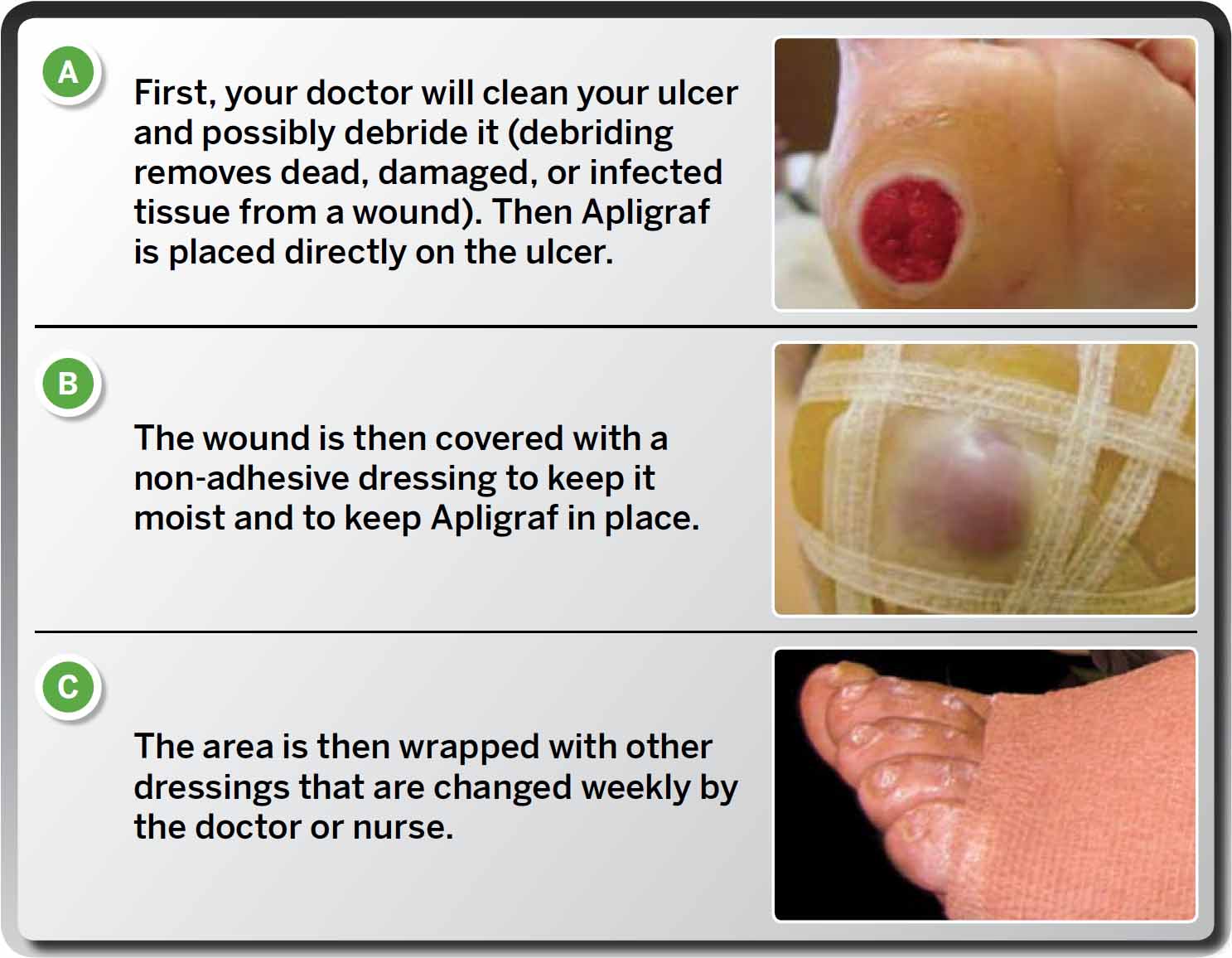
As noted above there are several types of grafts and the method of application vary depending on the wound and the type of graft used. For example, some types of skin grafts are done in an operating room, others can be performed in an office setting. The one thing they all have in common is that a clean wound bed with good margins must be obtained prior to skin graft placement. Careful care and attention to the location after grafting is also a must.

PRIOR TO YOUR PROCEDURE

Dr. Tahara will provide you with detailed instructions about how to prepare for the procedure during your initial evaluation. Dr. Tahara also explores your medical history during pre-op evaluation, including inquiries about recent illnesses, existing medical conditions, and any allergies you have or medications you’re taking. He will carefully explain how you should manage your regular medications, food, and drink just prior to the procedure. As a typical example, you may be told not to eat or drink anything several hours before arrival. You may also be asked to wear loose and comfortable clothing and refrain from wearing jewelry.

WHAT TO EXPECT AFTER YOUR PROCEDURE

The Allegheny Vein and Vascular nursing staff will call you about 24 hours after your procedure to check up on you. Typically, the patient will also come in for a followup visit with Dr. Tahara about a week after the procedure is completed.  From there on out, you will be scheduled for office visits and duplex ultrasound appointments as necessary.

IMPORTANT: It is vital that patients keep their followup appointments.  The reason for this is that vascular disease is not something that just goes away.  It is a process that continues, even after any necessary procedures have been performed.  Regular monitoring of your condition will be required in order to help you realize your best possible outcome for the long term.
ALL THINGS VASCULAR

A great place to learn about all things vascular.

Take time to learn about the vascular system and how it functions.

Learn about venous and arterial vascular conditions that affect the body.

Explore treatments & procedures offered through Allegheny Vein & Vascular.

Learn about the examinations and testing protocols vascular patients receive.